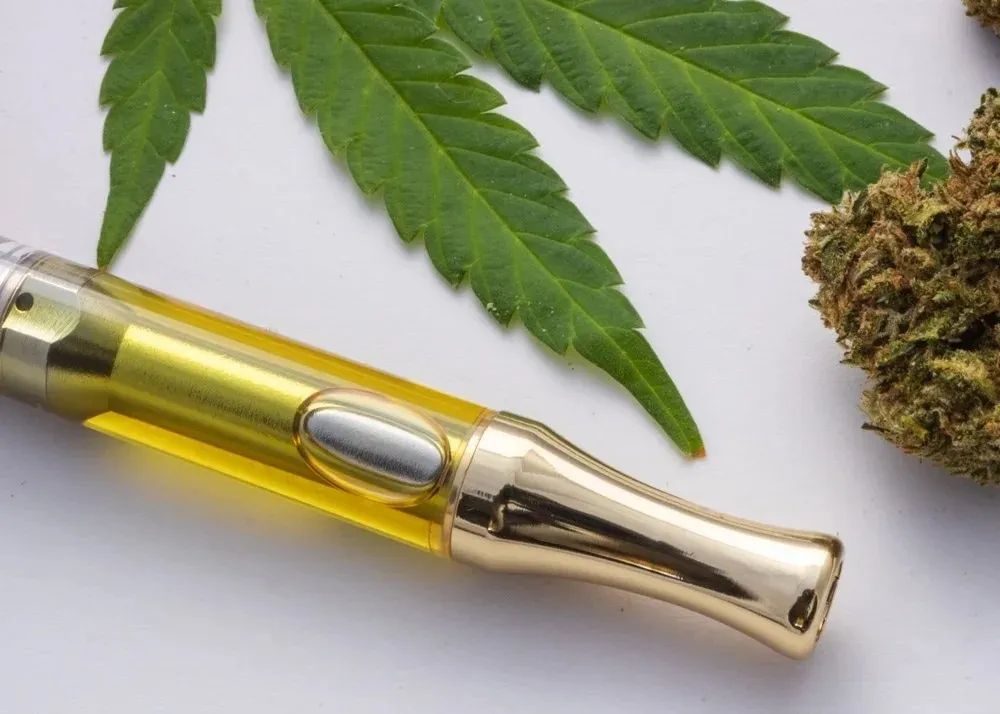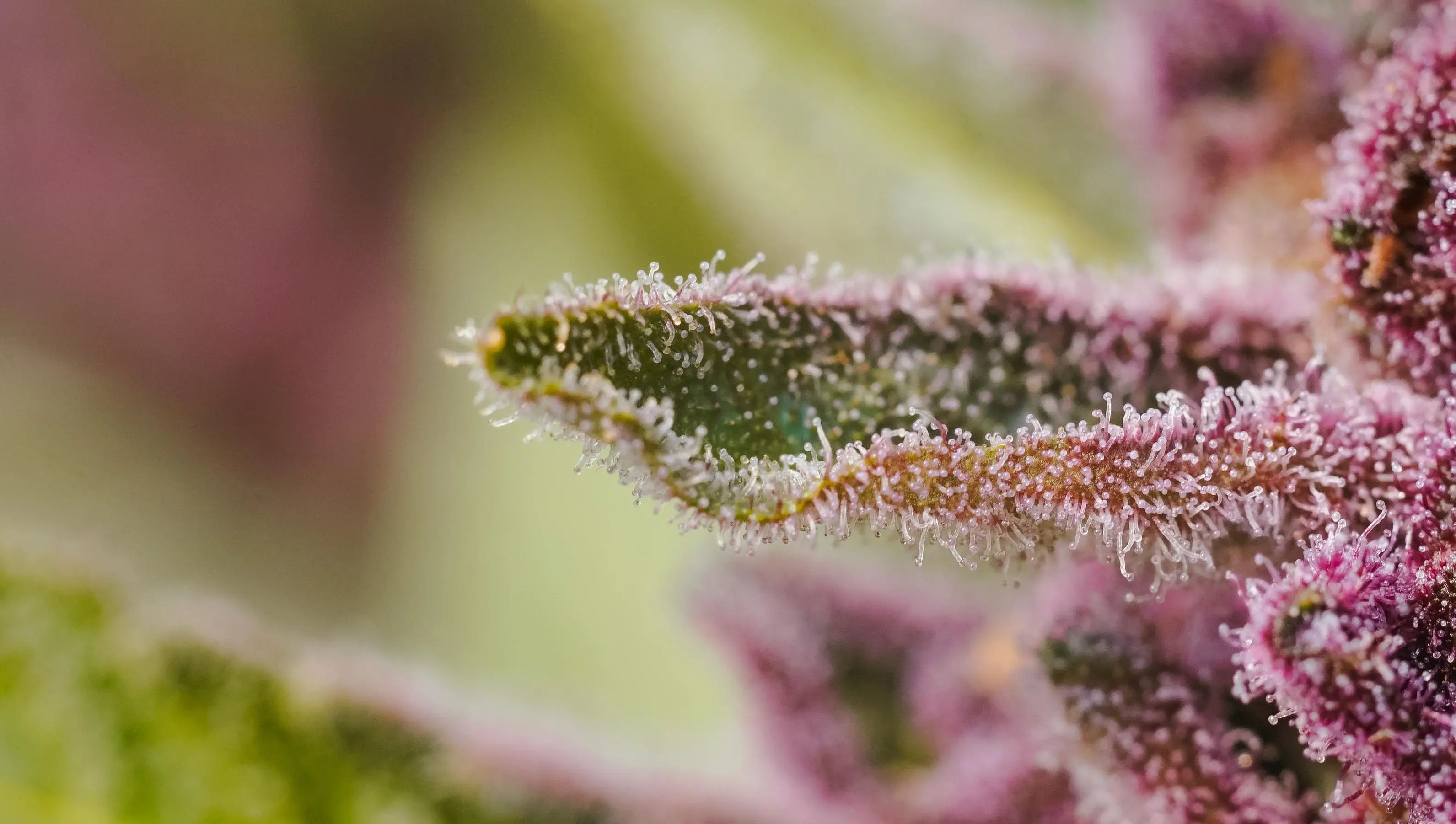
There was a time when cannabis chemistry was reduced to a single word: THC. It defined the experience, the controversy, and the commerce.
But in laboratories — long before retail shelves — scientists knew something the market largely ignored: the compound most abundant in raw cannabis flower is not THC. It is tetrahydrocannabinolic acid (THCA) — the precursor molecule from which THC is formed.
Only recently has this scientific detail moved from academic literature into mainstream cannabinoid discussions.
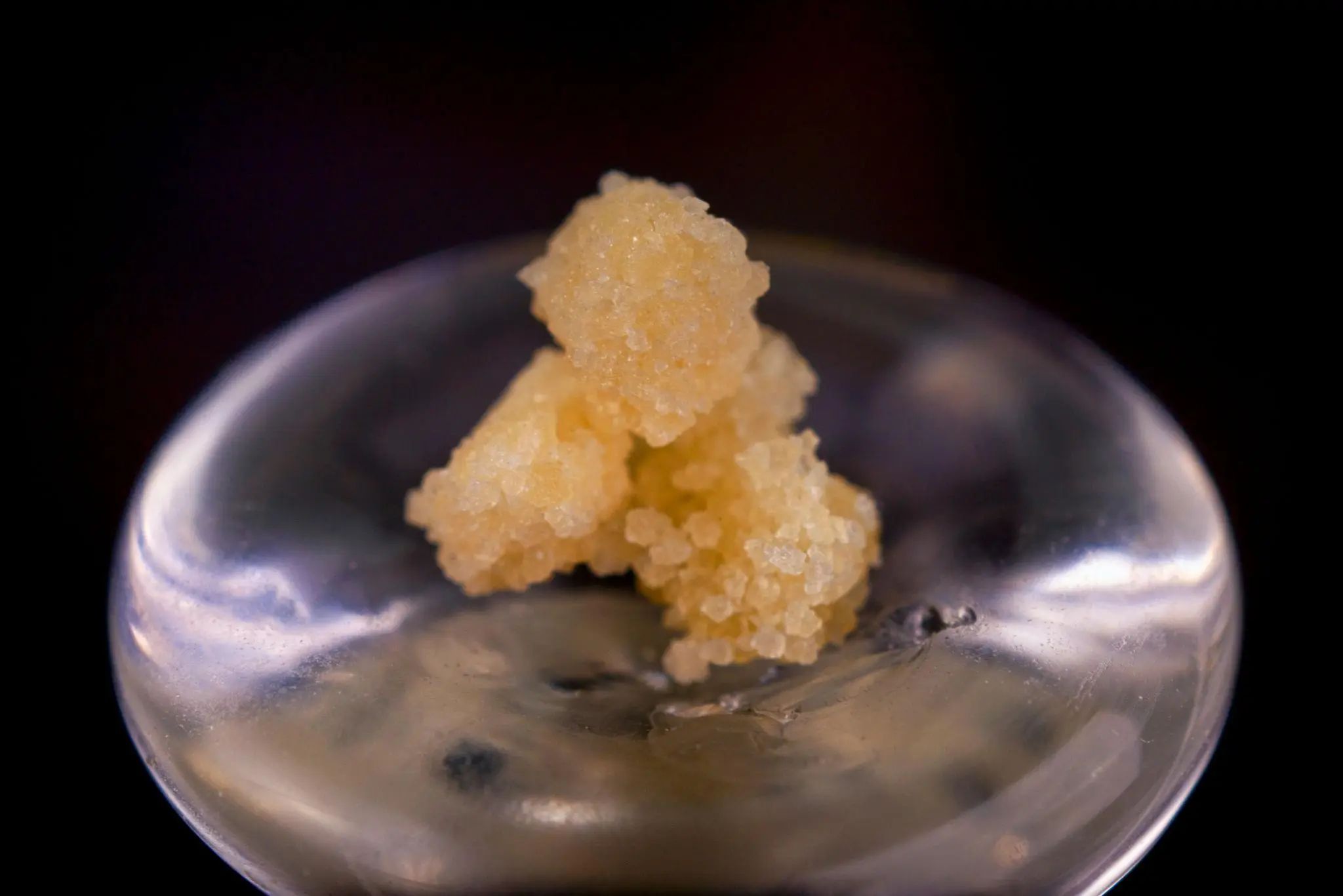
The Molecule Before Activation
In its natural state, cannabis produces THCA, not THC. The structural difference is a carboxylic acid group attached to the molecule. That small addition changes how it interacts with cannabinoid receptors.
Research has shown that THCA has limited affinity for CB1 receptors, which are primarily responsible for the psychoactive effects associated with THC (Wang et al., 2016, available via the U.S. National Library of Medicine:
https://www.ncbi.nlm.nih.gov/pmc/articles/PMC5549281/).
Without strong CB1 receptor activation, THCA in its raw state does not produce the intoxicating effects commonly attributed to delta-9 THC.
However, the molecule is not chemically fixed.
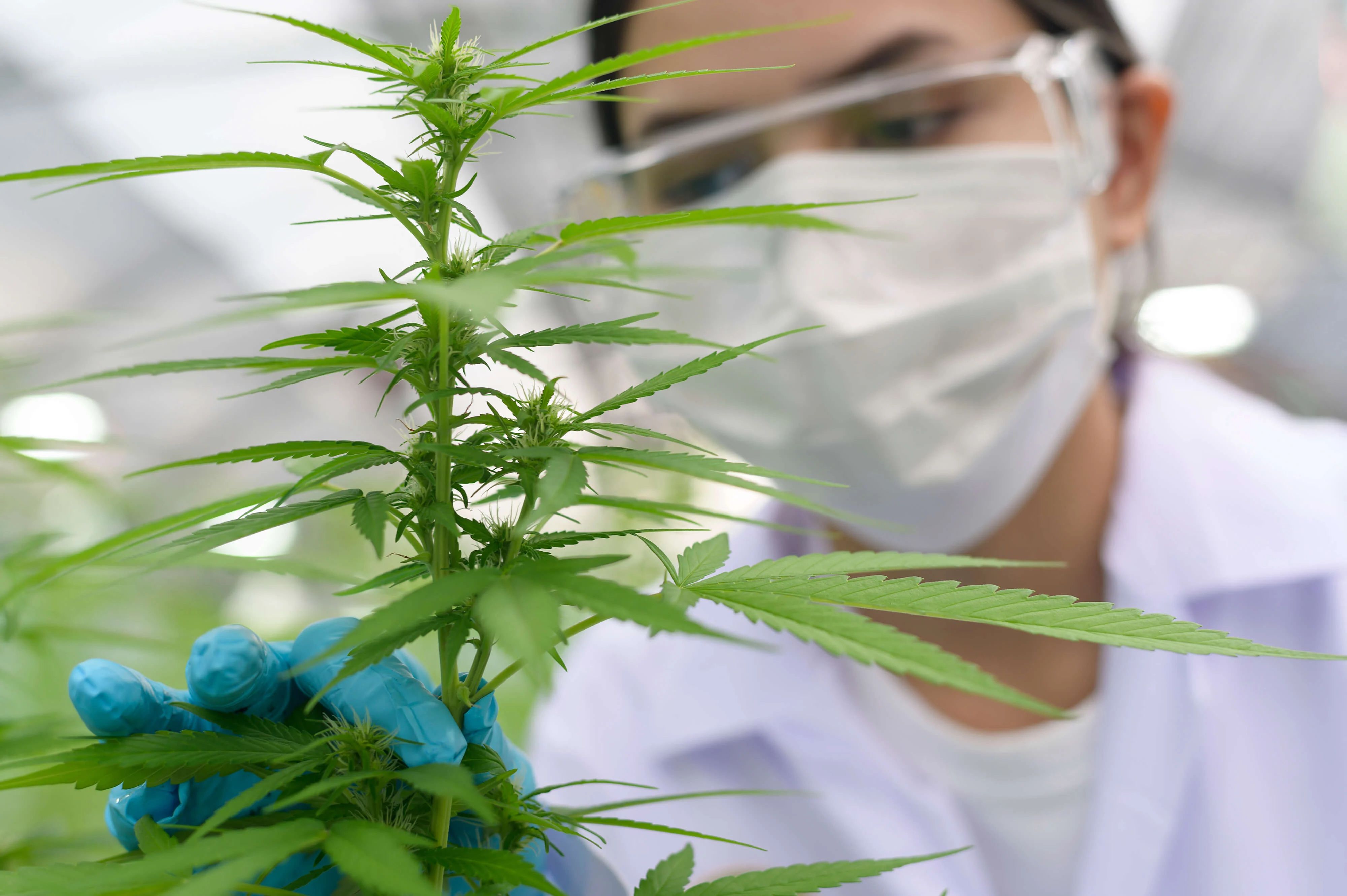
When exposed to heat, THCA undergoes decarboxylation — a process in which the carboxyl group is removed, releasing carbon dioxide and converting THCA into Δ9-THC. Controlled studies have mapped how temperature and duration influence this transformation (Wang et al., 2016:
https://www.ncbi.nlm.nih.gov/pmc/articles/PMC5549281/).
In practical terms:
- Raw cannabis contains primarily THCA.
- Heat converts THCA into psychoactive THC.
The difference is chemical — not semantic.
Regulatory Language and the Rise of THCA
The next chapter in THCA’s prominence is rooted in regulatory wording.
The Agriculture Improvement Act of 2018 (2018 U.S. Farm Bill) defines hemp as cannabis containing no more than 0.3% delta-9 THC by dry weight (Full text via U.S. Congress:
https://www.congress.gov/bill/115th-congress/house-bill/2).
The statutory language specifies delta-9 THC concentration. It does not explicitly define hemp using total potential THC after decarboxylation.
This distinction has played a role in the growth of THCA-rich hemp products that remain compliant under delta-9 testing thresholds at the time of analysis.
As regulations continue evolving at federal and state levels, THCA remains central to policy interpretation discussions.
Decarboxylation: The Scientific Core
The conversation ultimately returns to chemistry.
Laboratory investigations into cannabinoid stability confirm that THCA converts into THC when exposed to elevated temperatures typically achieved during combustion or vaporization (Wang et al., 2016:
https://www.ncbi.nlm.nih.gov/pmc/articles/PMC5549281/).
This chemical shift alters receptor binding and psychoactive properties.
Understanding this transformation is fundamental to understanding why THCA has become such a focal point in hemp retail.
Cannabinoid Pharmacology in Context
The broader framework of cannabinoid receptor science helps explain the functional differences between THCA and THC.
Foundational research on cannabinoid receptor systems describes how Δ9-THC interacts with CB1 receptors in the central nervous system (Howlett et al., 2002, Pharmacological Reviews:
https://pharmrev.aspetjournals.org/content/54/2/161).
THCA’s reduced receptor interaction explains its non-intoxicating profile in raw form.
Further structural characterization research, including work on novel phytocannabinoids, illustrates the growing complexity of cannabinoid science (Citti et al., 2019, Scientific Reports:
https://www.nature.com/articles/s41598-019-56785-1).
THCA’s emergence in retail markets mirrors this scientific maturation.
Is THCA a Temporary Category?
Policy directions vary by jurisdiction. Some states have adopted “total THC” calculations that account for THCA’s potential conversion into THC. Others continue to focus on delta-9 concentration at testing.
Regardless of regulatory adjustments, the elevation of THCA has permanently increased cannabinoid literacy among consumers.
Where once labels simply read “THC,” modern lab reports distinguish:
- Δ9-THC
- THCA
- Total THC
- Minor cannabinoids
- Terpene composition
The market now speaks in molecular detail.
Conclusion
THCA’s rise is not the creation of a new molecule — it is the recognition of an old one.
For decades, laboratories understood that THC begins as THCA. Today, consumers understand it too. Regulatory nuance, transparent lab reporting, and increased cannabinoid awareness have transformed THCA from a chemical precursor into a central market term.
Whether future regulations emphasize total THC calculations or maintain delta-9 thresholds, one reality is clear:
THCA has shifted the cannabis conversation from sensation to structure.
And once markets begin speaking in molecular terms, they rarely return to simplicity.
References (Clickable)
- Agriculture Improvement Act of 2018 (U.S. Farm Bill):
https://www.congress.gov/bill/115th-congress/house-bill/2 - Wang, M., et al. (2016). Decarboxylation Study of Acidic Cannabinoids.
https://www.ncbi.nlm.nih.gov/pmc/articles/PMC5549281/ - Howlett, A.C., et al. (2002). Cannabinoid receptors and their endogenous ligands. Pharmacological Reviews.
https://pharmrev.aspetjournals.org/content/54/2/161 - Citti, C., et al. (2019). A novel phytocannabinoid isolated from Cannabis sativa L. Scientific Reports.
https://www.nature.com/articles/s41598-019-56785-1